

The Federal Trade Commission (FTC) has sent formal warning letters to the CEOs of major payment providers Visa, Mastercard, PayPal, and Stripe, cautioning them against denying financial services to consumers or businesses based on political views, religious beliefs, or other protected characteristics.
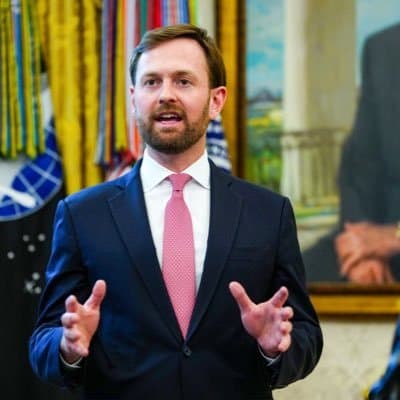
FTC Chairman Andrew N. Ferguson emphasized that such practices, often referred to as "debanking," may violate the FTC Act if they involve unfair or deceptive acts that contradict the companies' own terms of service or customers' reasonable expectations. The letters threaten potential investigations and enforcement actions if the companies continue or facilitate the deplatforming of lawful customers.
The action stems from publicly reported incidents where payment processors and card networks allegedly restricted or terminated access to services for individuals or organizations due to their political affiliations, religious convictions, or lawful business activities. The FTC noted that while it is not a primary banking regulator, it has authority over consumer protection in the financial services sector where debanking-like actions occur.
The letters reference concerns that denying access to essential payment infrastructure effectively cuts people off from the modern economy. Chairman Ferguson reminded the companies of their obligations under the FTC Act and highlighted that any policies or terms leading to such denials could trigger regulatory scrutiny.
Some reports link the warnings to broader policy discussions, including an executive order from President Donald Trump aimed at preventing financial institutions from restricting services based on protected beliefs or activities.
According to the FTC's press release and media coverage, the warning letters stress:
Companies must not deplatform customers or deny access to financial products/services in ways that are inconsistent with their disclosed terms or reasonable consumer expectations.
Facilitating such conduct by others could also lead to liability.
The agency may pursue enforcement if violations are found.
The FTC did not cite specific violations by the four companies in the letters but pointed to industry-wide reports of problematic practices.
Payment processors like Visa, Mastercard, PayPal, and Stripe play a critical role in the global economy, handling trillions in transactions annually. Critics have long accused some platforms of uneven enforcement, where "high-risk" categories (sometimes tied to political or ideological content) face sudden account closures with limited recourse.Industry observers note that payment companies often cite risk management, fraud prevention, or compliance with their own policies as reasons for restrictions. However, the FTC's intervention signals growing regulatory pressure to ensure fair access for law-abiding users.As of now, the companies have not publicly detailed responses to the letters. The FTC's move comes amid heightened scrutiny of Big Tech and financial infrastructure's influence over commerce and speech.
For consumers and merchants, the warnings could mean greater protections against arbitrary account shutdowns. Small businesses and individuals in controversial but legal sectors may find it easier to maintain payment processing without fear of sudden deplatforming.The FTC urged affected parties to report issues through its complaint system. Legal experts suggest the letters serve as a formal notice that could precede stronger enforcement actions, such as investigations or lawsuits under Section 5 of the FTC Act.This development highlights ongoing tensions between private companies' right to set terms of service and the public interest in maintaining open access to essential financial rails.